
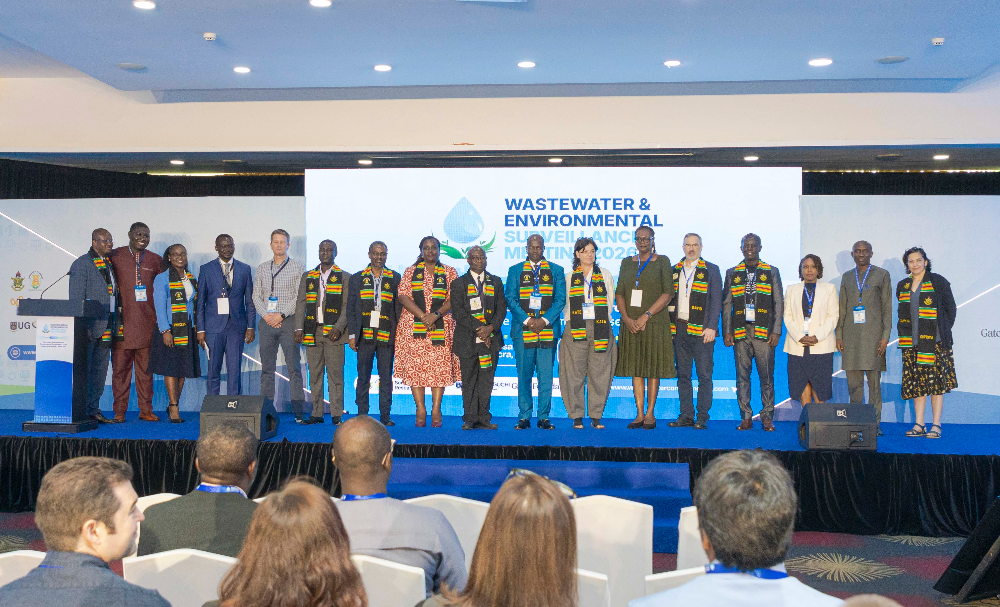
The Kwame Nkrumah University of Science and Technology, Kumasi (KNUST), in collaboration with national and international partners, has convened a high-level global conference on wastewater and environmental surveillance in Accra.
The three-day conference, supported by the Bill & Melinda Gates Foundation, World Health Organization, Ministry of Health Ghana, Ghana Health Service, Noguchi Memorial Institute for Medical Research and Scripps Research, has brought together scientists, epidemiologists, clinicians, public health professionals and policymakers from across the globe.
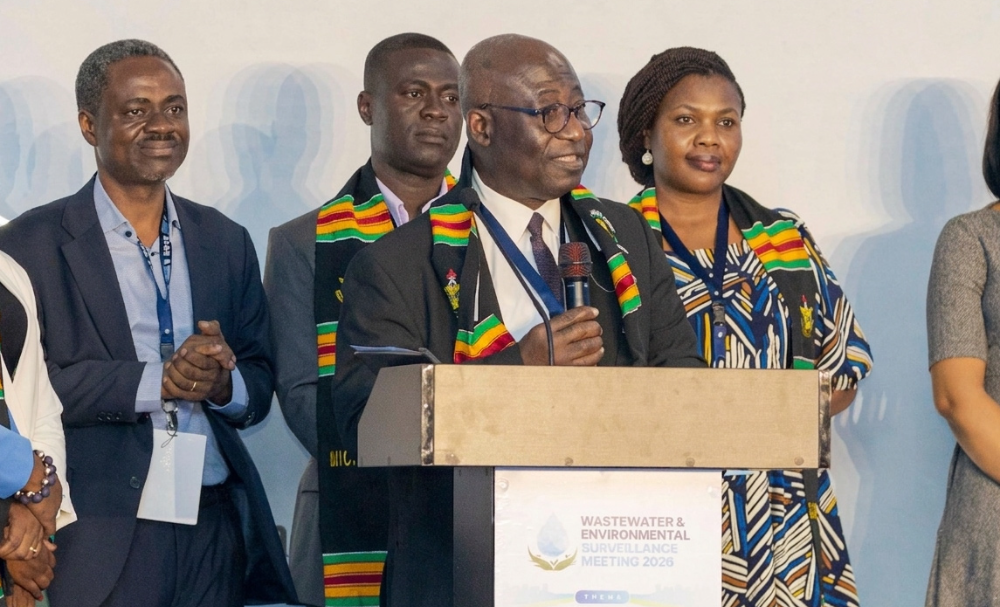
Professor Yaw Adu-Sarkodie, chair of the planning committee and a faculty member in KNUST’s Department of Clinical Microbiology, said wastewater and environmental surveillance could transform modern public health systems.
He said that unlike traditional surveillance methods, which rely on hospital-based reporting after individuals fall ill, environmental surveillance enables early detection of pathogens circulating within communities.
“This approach allows us to detect pathogens in the environment even before patients present at health facilities,” he said. “It creates an opportunity for proactive public health interventions rather than reactive responses.”
Prof. Adu-Sarkodie added that the conference is examining practical applications, methodological advancements and the cost-effectiveness of integrating wastewater surveillance into routine health systems.
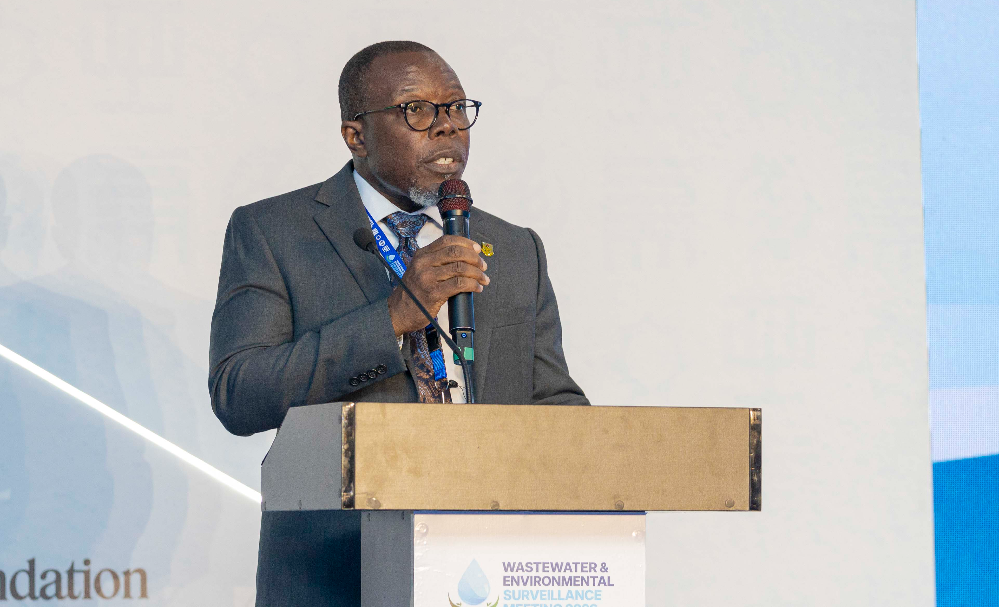
Conference chairman Professor Ellis Owusu-Dabo described the gathering as a critical moment for advancing one of the most promising frontiers in disease surveillance.
“This meeting is not merely an academic exercise; it is a call to action,” he said.
He said wastewater surveillance can detect pathogens such as cholera, hepatitis E and mycobacteria, and provide early warning systems for epidemic-prone diseases across sub-Saharan Africa.
Prof. Owusu-Dabo added that discussions would focus on geospatial modelling, mapping of catchment populations and integrating environmental data with clinical surveillance systems, while stressing that systems must be scalable and sustainable to avoid remaining pilot initiatives.
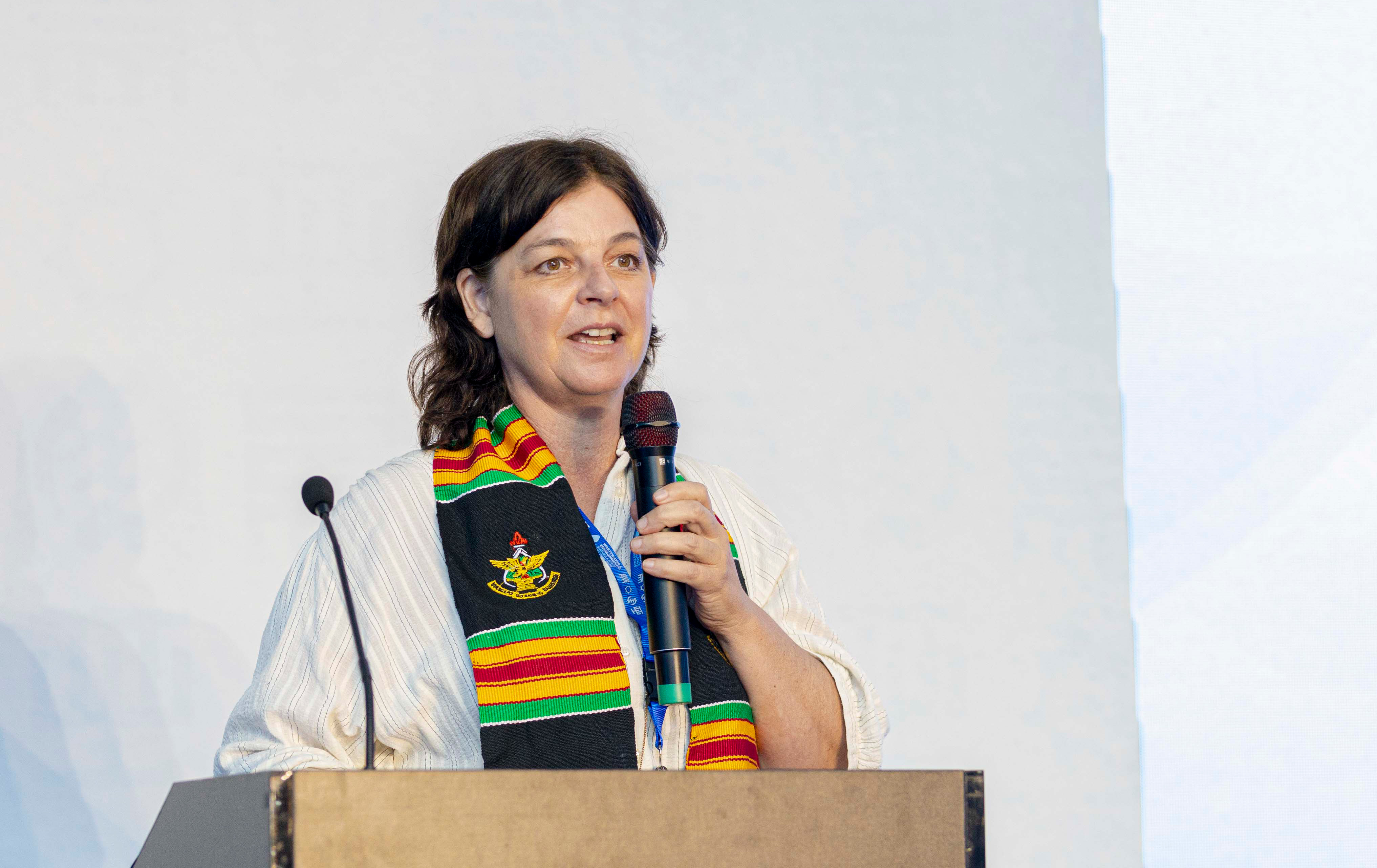
Kate Medlicott of the World Health Organization commended KNUST and the Ghana Health Service for organising the conference.
She described wastewater and environmental surveillance as essential to integrated public health systems, particularly in low- and middle-income countries where access to clinical testing may be limited.
“By analyzing sewage and environmental samples, we gain population-level insights into infectious diseases, antimicrobial resistance, and chemical exposures,” she said.
Drawing on lessons from outbreaks including polio, cholera, Ebola, influenza and COVID-19, she said effective public health action depends on timely and high-quality surveillance systems.
Medlicott also highlighted the concept of collaborative surveillance, which promotes coordination across human, animal and environmental health systems under the One Health framework, while stressing the need to balance public health benefits with privacy and ethical considerations.
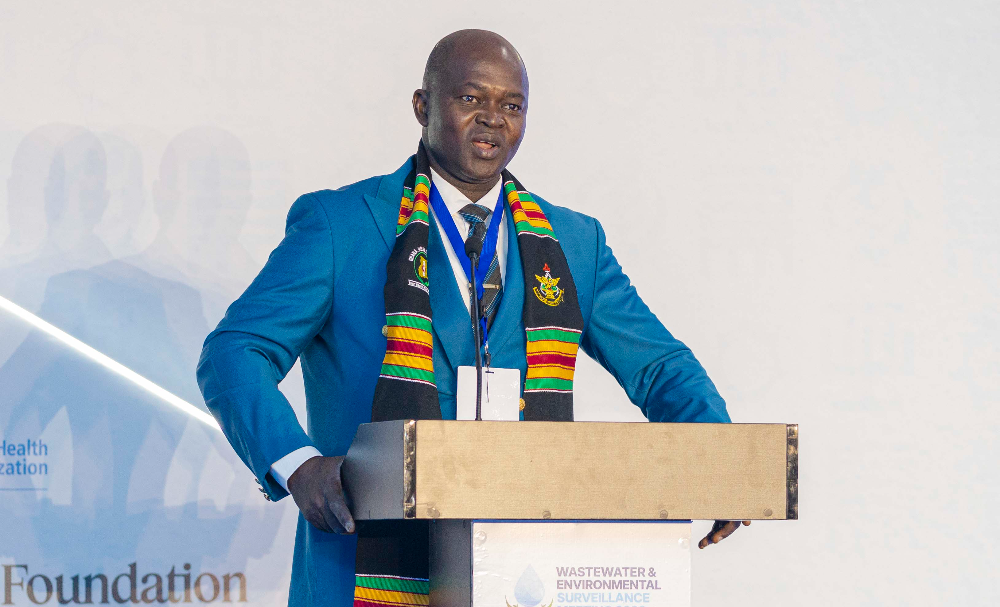
The Director-General of the Ghana Health Service, Dr. Samuel Kaba Akoriyea, reaffirmed Ghana’s commitment to the One Health approach in addressing emerging public health threats.
He said bacteria account for 54% and viruses 25% of the roughly 400 emerging infectious diseases recorded globally since 1940, underscoring the need for innovative surveillance tools.
“Wastewater and environmental surveillance represent one of the most promising tools in our public health arsenal,” he said. “They enable early detection of pathogens, often before clinical cases are reported, allowing for timely interventions.”
He highlighted Ghana’s progress in applying environmental surveillance, particularly in polio eradication, and called for stronger cross-sector collaboration, sustainable funding, investment in genomics and data science, and improved translation of data into public health action.
“Ghana risks having ‘data diabetes’ we generate a lot of data but do not use it effectively,” he said.
He also urged the public to prepare for potential cholera outbreaks as the rainy season approaches.
| Story and Photos: Emmanuel Offei |


